
In India, most working people start thinking about their retirement after they are well into their 30s or 40s. However, to have a peaceful and financially strong retired life, ideally you need to start planning for retirement soon after taking up your first job. That way, time would be on your side, to build a substantial retirement corpus over the long term through a disciplined investment approach. In other words, time and the power of compounding would give one financial freedom during his/her sunset years.
So, what is financial freedom? The word freedom evokes a sense of hope, inspiration, choice and joy. It could mean very different things to different people. Financial freedom—having enough savings, investments, and cash on hand to afford the lifestyle you want for yourself and your family— is an important goal for many people. It also means accumulating enough wealth that will allow you to retire or pursue any career you want—without being driven by the need to earn a certain amount each year. Easy access to credit plays a big role in enabling financial freedom.
Leaving positive footprints
An important aspect related to your financial dealings, that can have substantial bearing on your financial freedom, is your credit history, called credit footprint. As the term suggests, credit history is a record of your ability to repay debts and demonstrated responsibility in repaying them. Put simply, if your credit history is good, you are in a sweet spot to easily avail of loans from a lender or get a credit card from a card-issuing institution. On the other hand, if your credit history is bad, you may have a tough time getting a loan or a credit card. Individuals need to be very careful about their credit history.
Taking care of your history
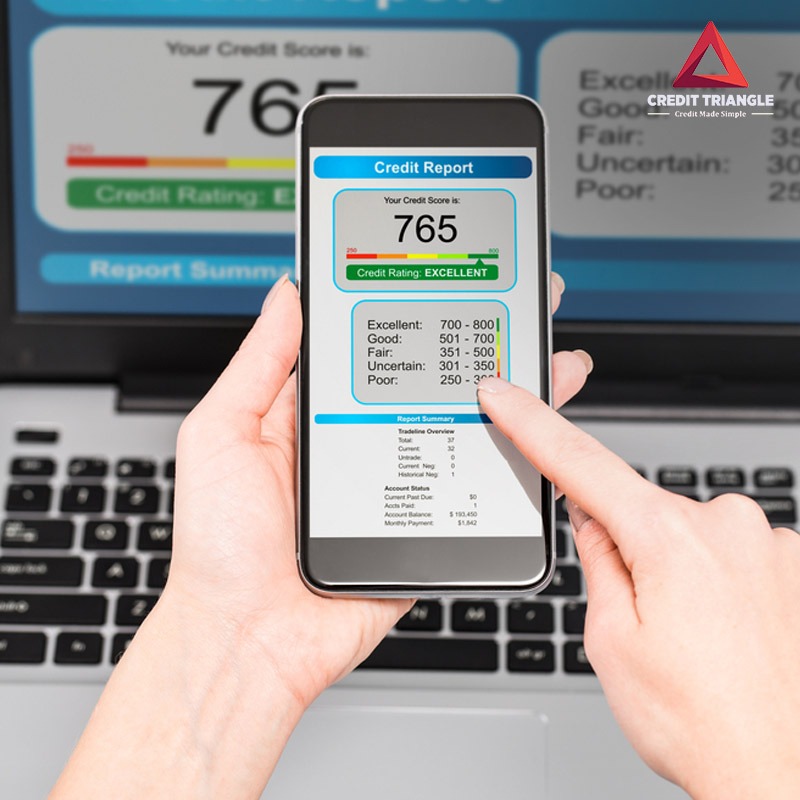
It is essential to review your credit report regularly. You can take a copy of your credit report from any of the four registered credit bureaus; CIBIL, Equifax, Experian and Highmark. A credit report is a detailed summary of your credit history and payment records from all your credit accounts, including the loans repayment to banks and financial institutions. Credit bureaus use the large amounts of data (on various credit facilities) available with them to generate these credit reports. A typical credit bureau report consists of four sections: Credit Score, Personal Details, Account details and Inquiries. A credit report is referred by potential lenders and NBFCs in order to get a fair idea about how eligible you are for receiving credit.
Reviewing your credit report regularly helps in maintaining good credit health, achieving financial goals and identifying errors on the credit report. Remember that errors in your credit report can have a devastating effect on your financial health, and hence need to be rectified immediately.
For a smooth financial life besides having a disciplined and well thought-out long-term investment plan, it is essential to have a good credit score, which comes from a solid credit history and good credit habits. Being credit healthy is a way of life; concrete steps in this direction can lead us to financial freedom.
Credit Triangle is a one-stop solution for all your credit and finance needs. We help you with credit health management, repair and improvement.